
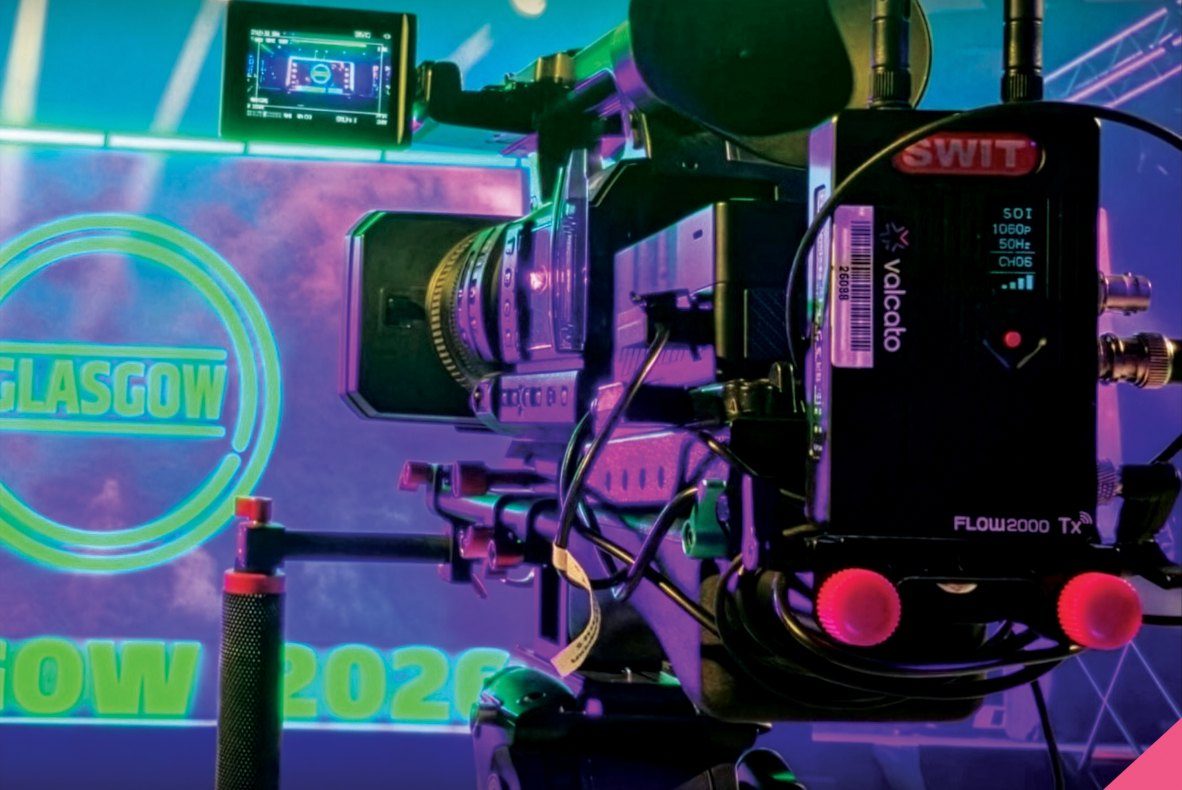
A successful live event can feel effortless from the audience’s point of view. The performers hit their marks, the sound is clear, the visuals land at the right moment and the whole room feels part of the show.
Behind that experience is a lot of joined-up work. Creative decisions need to fit the venue. Equipment and crew need to be planned around the schedule. Content, cues and technical systems need to be ready before the audience arrives.
Here’s what goes into taking an event from the first idea to the final curtain.
Start with the audience and the brief
Before choosing screens, lights or a stage design, get clear on what the event needs to do.
Who’s coming? What should they experience? What needs to happen on stage, and what would make the event feel successful to the people organising it? A resort show, a brand launch and an awards evening each have different audiences, timings and priorities.
A useful brief gathers the essentials in one place:
- The purpose of the event and the audience it’s for.
- The venue, date, format and expected attendance.
- The running order, performers, speakers and important moments.
- The creative direction and any brand requirements.
- The budget, decision-makers and approval process.
- The technical needs, such as sound, lighting, staging, screens, cameras or streaming.
Some details may still be in progress. That’s fine. The important thing is to make assumptions and open questions visible early, so the team can work through them together.
This is the starting point for the Valcato Method. Its first step, Immerse, is about understanding your team, venue, brand and guests before designing the production.
Turn the idea into a workable design
Once the goals are clear, the creative and technical plans can develop together.
That might mean shaping the look of the stage, planning how performers move through the space or deciding what the audience will see on screens. It also means checking how those ideas work in the actual venue. Sightlines, room layout, available rigging, access and event timings all affect what’s practical.
For example, a multi-camera setup can give an audience a clear view of performers and speakers, especially in a large room. But camera positions, screen sizes and sightlines need to be considered together. Lighting also needs to work for the live audience while allowing cameras to capture a good image.
The same joined-up thinking applies to sound, show visuals and staging. Each part should support the experience rather than compete for space, time or attention.

A clear technical plan also helps everyone understand what’s included. At Valcato, that can include live video, IMAG and show visuals alongside lighting, sound and staging. We can take on the full production or work alongside your existing team and suppliers.
Check the venue before you commit
A design needs to fit the space it’s going into. That’s why an early venue check is so useful.
The production team needs to understand the room, access routes and available working time. It’s also important to check where technical equipment can be positioned, what the audience will be able to see and how the venue’s own facilities can be used. For an outdoor event, weather planning and the site layout need attention too.
These details help the team shape a realistic plan before equipment and crew are booked. If something needs to change, it’s much easier to adjust the design early than during the build.
The venue visit is also a chance to coordinate with the people who know the space best. Sharing information with venue staff and your existing suppliers helps avoid gaps and makes responsibilities clearer.
Prepare the content, crew and equipment
Once the design and production plan are agreed, the preparation becomes more detailed.
Show visuals, graphics and playback content need to be created in the right formats. Crew need to know their roles and timings. Equipment lists, venue plans and the running order need to give the team a shared picture of how the event will work.
The show plan matters on the day. It sets out what happens, who is responsible and how each section connects to the next. It should be clear enough that the team can follow it, while leaving room for the show caller and technical leads to respond to what’s happening live.
Equipment preparation matters just as much. We use our own kit, and prepare and test equipment before it goes to the venue. When a project needs additional equipment or specialist support, we work with trusted partners and keep the production coordinated through a single point of contact.
Studio testing gives the team the chance to check systems and content before load-in. It doesn’t remove the need for venue checks, but it means fewer unknowns arrive with the equipment.

Build and rehearse in the venue
On site, the crew turns the plan into a working space. Staging is built, equipment is positioned, systems are connected and the stage is prepared for performers and presenters. The team then checks that each part works in the venue, not just on paper.
A rehearsal is more than a quick sound check. Depending on the event, it can involve checking microphones, camera positions, screen content, lighting cues, playback and transitions. Performers and speakers also need to know where to go and what to expect.
The most useful rehearsal covers the moments where departments meet: a video playing as someone walks on stage, a lighting change during a transition, or a camera shot that needs to be ready at a particular cue. These are easier to resolve when the people responsible can work through them together.
Changes are part of live production. A speaker may arrive late, a running order may shift or a cue may need to be adjusted. A prepared team knows who makes the decision and how to pass the change on.
Deliver the show as one team
When the audience arrives, the work becomes visible. The crew runs the show, responds to cues and keeps in contact with the event’s wider team.
Clear responsibility matters here. If sound, lighting, video and staging have been planned as separate jobs, it can be harder to coordinate changes across them. With one production team overseeing those elements, it’s easier to share information and keep the event moving.
That doesn’t mean every project needs to be delivered by one supplier. We often slot in alongside existing teams and suppliers. What matters is agreeing how the people involved will work together, who owns each decision and how updates will be shared.

Learn from the event
The production doesn’t end when the audience leaves. The team needs to pack down safely, return the venue to the agreed condition and account for equipment. After that, a short debrief can help capture what worked and what could be improved next time.
For a one-off event, that might inform the next awards evening or festival. For a venue or resort with a regular programme, it can shape future shows across a season. Feedback from the client, crew and audience all helps identify useful changes.
That’s the final step of the Valcato Method: Evolve. Each event creates information the team can use to make the next one work better.
From the first idea to the final cue
Live event production brings creative ideas and practical decisions together. The brief sets the direction. The design takes account of the venue. Content, crew and equipment are prepared in advance. Rehearsal gives the team time to check the details, and clear communication keeps the show on track.
Valcato provides creative and technical production from concept to curtain for live events, venues and attractions. If you’re planning a show, an event or a season of programming, tell us what you have in mind. We can talk through the venue, your team and the parts of the production where you’d like support.